Showing posts with label how to choose color. Show all posts

Tuesday, October 2, 2012

Which Colors Inspire You?


As warm weather turns cooler, we look forward to the bold colors of Autumn. People make pilgrimages to New England or take long drives in the country just to take in the magnificent view of color. The Fall season is a great time of year to be inspired by color and choose color themes for your home. 

Here are a few ways to find your color inspiration in your daily life:

  • As we have already mentioned, just looking out your window or stepping out your door will soon provide you with a plethora of colors. Bring a collection of different colored leaves indoors and see which ones catch your eye most often.
  • Take notice of the colors people around you are wearing and make a mental note of the ones you like.
  • Color is everywhere. Rooms you enter, cars on the road, artwork, fabrics, foods. Take notice of it all. Soon you will see a pattern develop of the colors you gravitate towards most often. 
  • Which colors do you move towards when you want to relax? When you need to be energized? When you need to focus and concentrate on tasks?
Noticing the colors around you and answering the above questions can help you choose colors for the functions of the different rooms in your home. The design experts at Marc Williams Furniture can help you create the perfect color oasis for your home!

Tuesday, March 13, 2012

Color Ceiling or White Ceiling?

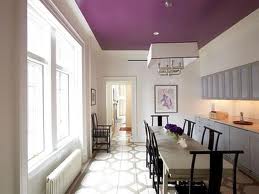
Choosing a color scheme for a room is an important decision.  Homeowners spend a great amount of time looking at color samples for their walls and fabric samples for their furniture, but often overlook their ceiling.  Many assume that the best color choice for their ceiling is always white. This is not always the case, so we here at Marc Williams Furniture would like to explain the benefits of white ceilings and scenarios when you may like to try adding a bit of color up above.

In a previous blog, we discussed how color affects mood. White will reflect colors and help a room feel larger and brighter. White is used to represent purity, elegance and sophistication. White ceilings can help create spatial continuity as well as add to a clean look. Or perhaps, a white ceiling can soften a bold color on the walls.

A step in the direction towards color on the ceiling is to mix 25% - 50% of the wall color in with white paint for the ceiling.  But why should you consider painting the ceiling it's very own color?  To add some fun or contrast to the room.

A white ceiling in a room painted in very light hues, may have an unfinished look.  Add a color to the ceiling and it adds contrast to make finished look.  The color choice of the ceiling may be an accent color in the flooring or upholstery and work to tie the room together.  Ceilings can also be painted a pattern to add some whimsy and variation. Some people love color and want color to touch as much of a room as possible.  Ceilings, the "fifth" wall, can certainly be a part of that! 


So next time you are laying down on the couch or relaxing in bed, look up and imagine the colors you would like to see.

Tuesday, January 10, 2012

How Does Color Affect Mood?

Choosing a color scheme when decorating the interior of your home is an important decision. Color helps to set the mood of the room so understanding the psychology of color is helpful in decorating.  Marc Williams Furniture would like to offer some understanding of color and as well as guidelines to follow in your decorating.

Color elicits strong moods, feelings, and emotions in people.  A persons relationship with color can be very personal and affected by life experiences.  However, there are some generalizations which can be made.  Bear in mind that these generalizations may differ among cultures.

Let's begin with the color black.  Unlike other colors which reflect light, black will absorb light which may make a room feel overbearing.  In western culture, black is often used to represent evil powers such as villains or death.  Black is also used to represent power and authority as in the top executive who drives a black Mercedes. Sophistication can be stated by hosting a black tie affair.  The color black is often used to highlight architectural details or furniture.  Black will stand out against light or neutral colors.

On to the opposite of black; the color white.  White will reflect colors and help a room feel larger and brighter. White is used to represent purity, elegance and sophistication.  Be careful however, because bright white on it's own can be too stark.  A solution is to layer different tones of white in order to soften the appearance.

The color blue is a popular color.  Blue makes people feel a sense of calmness and serenity and has been shown to lower pulse rate, blood pressure, and temperature. Blue is also a "cool" color. Blue may be used to make a person feel cooler in a hot, sunny room or conversely feel colder in an already cool room.   Office space is often decorated in a blue color scheme as people tend to be more productive in a blue environment.

Red is a powerful color which evokes strong emotions.  Red is associated with the feeling of love, warmth, and comfort as well as danger, excitement, and intensity.  A vibrant, bright red may be overwhelming whereas a muted, earthy shade may be comforting.  Well designed, red can create a passionate, loving environment.

Think of nature and you will undoubtedly think of the color green.  People find green calming and reassuring. Research has even found the color green can help relieve stress and help heal as well as improve reading ability. A good tip for decorating with green is to combine more than one shade or combine with other complimentary colors.

Another color of nature  is brown.  Brown evokes feelings of strength, reliability, stability as well as makes us feel reassured and safe. Brown can add warmth and depth to a room.

Use this information to help you choose the color palette for the room you are decorating.  Think of the activities which will take place in the room and the feeling you want to elicit.  Understanding the connection between color and mood will help you create the atmosphere you desire.